- Performance
- Turbo
Performance & power
How Turbochargers Work
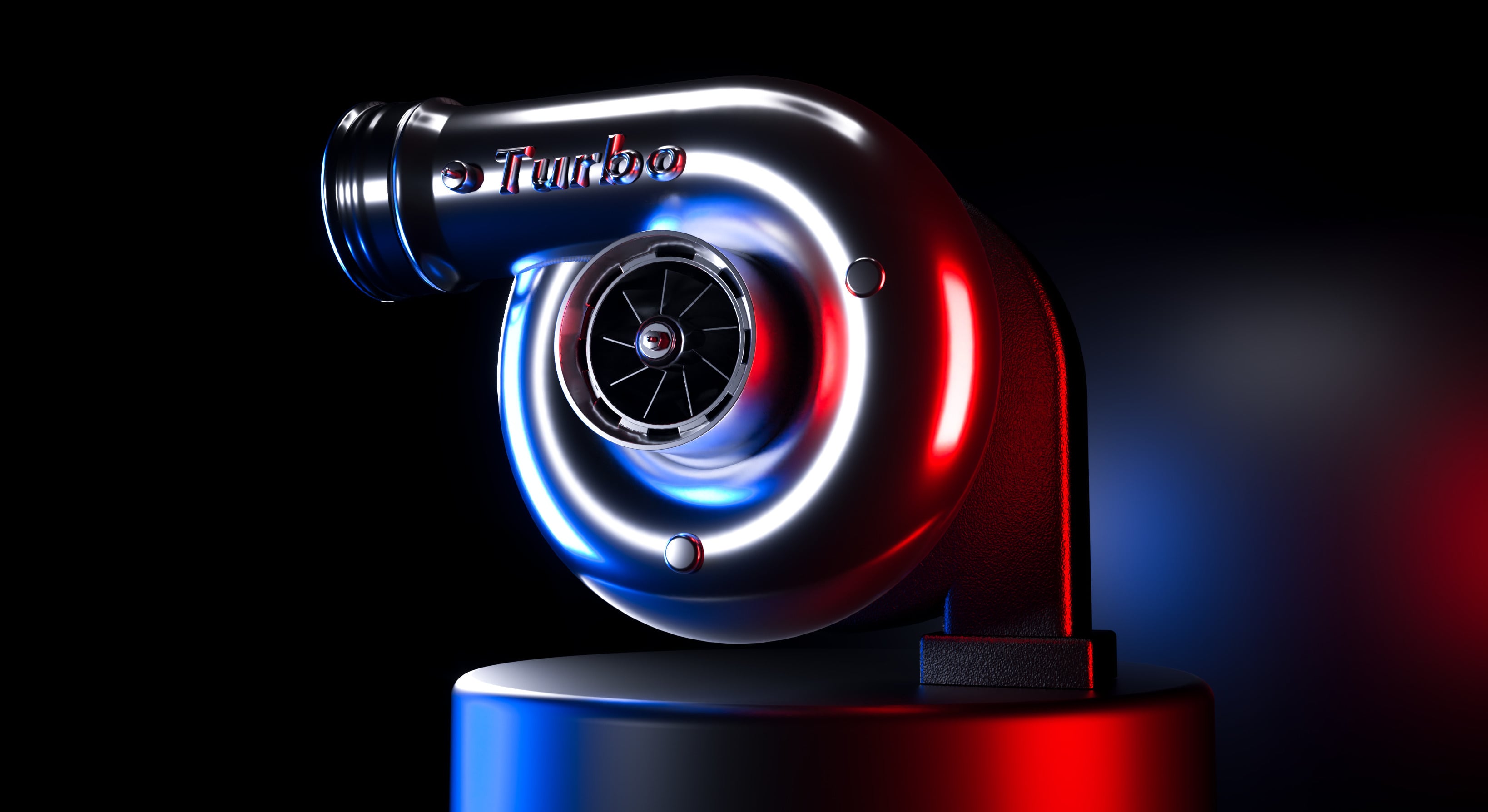
Turbochargers help engines produce more power and efficiency by forcing additional air into the engine's combustion chambers. A properly functioning turbocharger helps deliver the power drivers expect while maintaining efficient engine operation.
Exhaust gases leave the engine and spin a turbine wheel inside the turbocharger.
The turbine is connected to a compressor wheel by a shaft.
As the turbine spins, the compressor draws in and compresses fresh air.
The compressed air is pushed into the engine, allowing more fuel to be burned efficiently.
More air and fuel means increased power, improved performance, and better fuel efficiency compared to a naturally aspirated engine.
Signs of Turbocharger Failure
Turbochargers operate under extreme heat and pressure. Over time, wear and contamination can lead to performance issues.
Common Symptoms of a Failing Turbo:
Loss of Power which reduces acceleration and engine performance and can cause poor towing performance.
Excessive exhaust smoke that is blue may mean there is oil in the exhast or black smoke that may mean an improper air-fuel mixture.
Unusual whining noises during acceleration can mean bearing or shaft wear
Increased oil consumption may mean worn seals as they allow oil to pass through the turbocharger
Slow or inconsistent turbo boost that feels like a delayed throttle response or inconsistent power delivery.
Check engine light due to fault codes related to boost pressure, airflow, or emissions systems
test | test | test |
|---|---|---|
test | test | tes |